


Step 2: Identify who might be harmed and how
- Mar 15, 2017
- 1 min read
5 Steps to Risk Assessment
1. Identify the hazards
2. Identify who might be harmed and how
3. Evaluate the risks
4. Record your findings and implement them
5. Review your risk assessment and update if necessary
Step 2: Identify who might be harmed and how
Falling from height
i. Who might be harmed: Cleaning contractors; Victim; 83kg man
ii. Type of work performed: Cleaning the dome mirror in a team
iii. The number of worker(s): 3 cleaning contractors & 1 supervisor
iv. The frequency the work is being performed: Rarely; Once per year; Public holiday
v. Working hour(s): 2 hours
vi. Worker’s condition: Healthy, trained, did not wearing PPE
Factors that contribute to fall
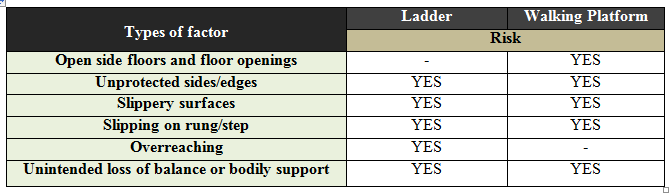
Additional info: OSHA ladder violation includes not securing a portable ladder or having it extend 3 feet above the landing before workers use it to reach an upper level.
Assessing the Risks
The effect of a hazard may be rated as follow:
Major - Death or major injury or illness causing long term disability
Serious - Injuries or illness causing short-term disability
Slight - All other injuries or illnesses
OR
High - Where it is certain that harm will occur
Medium - Where harm will often occur
Low - Where harm will seldom occur
Potential Consequences
The distance from the floor level:
To the dome (roof):
25 - 30 meters*
The dome to roof:
5 - 6 meters*


Comments